
A practical guide for homes and small offices
If you’re in Johannesburg, Pretoria, or anywhere in Gauteng, water outages can turn a normal day into a scramble. Water backup systems solve that problem by storing clean municipal water on-site and delivering usable pressure when supply drops — protecting the quality of your water for daily essentials.
This hub page helps you understand how a municipal backup setup works, how to size it, what components matter most, and when renting the full solution is smarter than buying (especially when installation, maintenance, and filter replacements are included). Many homes start with a water backup system filled with fresh municipal water and then add filtration where needed.
Start here (useful next reads while you plan):
Water tanks for backup water in Johannesburg and Pretoria: https://www.getsolvd.com/blogs/post/water-tanks-for-backup-water-in-johannesburg-and-pretoria
Get a quote for backup water solutions: https://www.getsolvd.com/get-quote-backup-water-solutions
Solutions overview (backup + filtration): https://www.getsolvd.com/solutions
What we do (how the rental works): https://www.getsolvd.com/what-we-do
Pump to tank connector
A pump-and-tank setup typically pulls stored water from the tank and delivers it back into the home or office line when municipal pressure drops. The aim is simple: stable supply during outages, without messy manual switching every time there’s a disruption.
A few practical notes before you buy parts:
assumed inch galvanised pipes can work, but matching pump flow, line sizing, and fittings is what prevents noise, leaks, and weak pressure.
minimum from pump to should not be guessed—your installer should confirm sizing based on your pump and runs.
diameter minimum from pump is influenced by distance, elbows, and expected demand.
One practical rule: the suction run between tank and your pump must be stable, and the delivery line should carry water from pump to house without restrictive fittings. Keep the pipe run from tank to your pump as short and straight as possible to protect pump performance and reduce cavitation risk.
If you want a quick Gauteng-focused overview before selecting components, read:
https://www.getsolvd.com/blogs/post/water-tanks-for-backup-water-in-johannesburg-and-pretoria
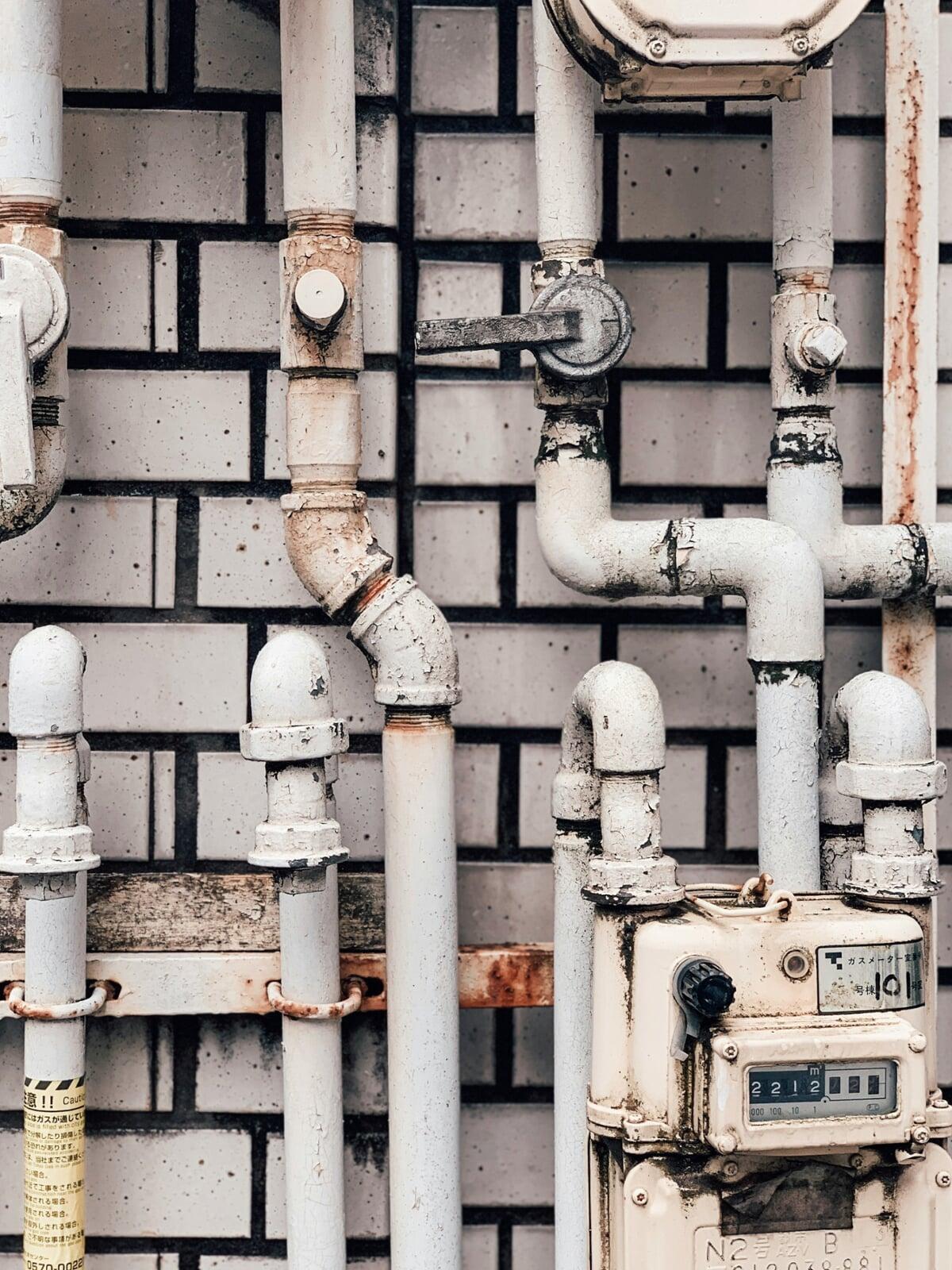
Storage solutions municipal backup
Most homeowners want two outcomes: stored water during outages and simple day-to-day operation. A rental-based approach usually wins here because you’re not only paying for plastic and fittings—you’re paying for a working system that’s installed correctly and kept reliable.
If you’re comparing ownership vs rental, the key difference is who carries the long-term risk:
With ownership, you own the maintenance problems too.
With rental, the installation, ongoing maintenance, and replacements are handled as part of the service—so performance stays consistent.
In practice, the benefits are clearest when you make use of a plan that includes installation, maintenance, and filter replacement (so the system stays dependable through repeat outages).
Water storage solutions municipal
When the tank is fed from municipal supply, it’s not just about storage volume. You also want good hygiene, rotation, and safe handling.
Two practical hygiene rules that people skip:
keep the tank clean (inside + lid + inlet screen)
inspect the inside of the tank on a regular schedule (especially after dusty storms or construction nearby)
It is advised to keep your tank clean; is recommended that the lid stays sealed, and it is recommended that you flush the line, after which you can refill your tank and rotate stored water.
If you’re also treating stored water for drinking (especially if you’re blending sources), use these guides:
Effective methods for purifying borehole water safely and efficiently: https://www.getsolvd.com/blogs/post/effective-methods-for-purifying-borehole-water-safely-and-efficiently
Best water purification home system for clean and safe drinking water: https://www.getsolvd.com/blogs/post/best-water-purification-home-system-for-clean-and-safe-drinking-water
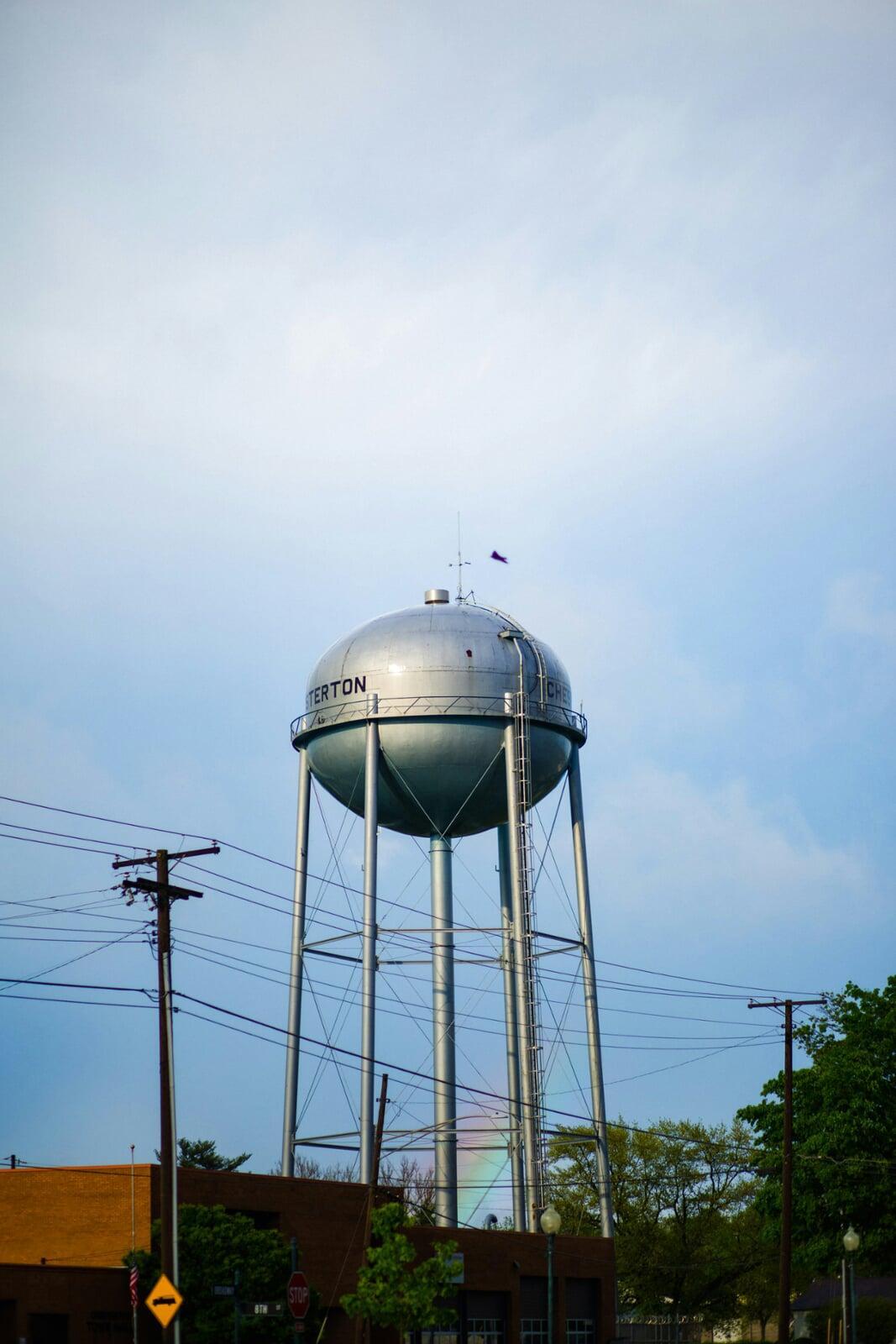
To tank connector kit
A good kit simplifies installation and keeps the “switching logic” tidy. The goal is that all connections are visible for inspection and service, and that the system can be isolated without shutting down the entire property.
Choose an all inclusive kit that includes isolation valves, fittings, and clear install guidance, because this reduces surprises on install day and keeps future servicing straightforward. A float-controlled inlet allows for effortless filling and reliable shut-off when the tank reaches the correct level. Include ball valve s for isolation, and pump cover for weather protection (especially if your pump sits outdoors or in a damp area).
In most homes, the installer will decide the best house to tie into and how to tie into mains to ensure that the system switches cleanly during outages.
A typical supply tank with municipal filling uses a line with municipal feed to a float assembly, setting to float valve at the correct height so it closes reliably. Your municipal feed to float valve at the top of the tank should be protected with a strainer to reduce clogging and prevent sticking.
Your plumbing diagram may label this as m_plumbling_municipal feed to tank (sometimes stored as agrement sa high res).
Water storage solutions
Sizing isn’t “one number for everyone”. Your household size, usage habits, and outage patterns change the requirement.
A simple planning rule:
recommended base sizes are a function of people × daily use × likely outage duration.
will vary based on kitchen/bathroom load, garden use, and whether you flush toilets from backup.
vary based on the number of bathrooms and how many people are home during the day.
When you choose a tank, plan for essential use first, or for a more conservative buffer, size for 2–3 days of typical outages. During planning, write down all the water used on a normal day and then decide which uses are “essential-only” during outages (this makes sizing and running costs far more realistic). The final tank size will also change based on the setup (for example, whether you’re supplying only toilets and outdoor taps or the whole house).
If you want a tank-size decision guide:
Essential guide to choosing the best backup water tank for your home: https://www.getsolvd.com/blogs/post/essential-guide-to-choosing-the-best-backup-water-tank-for-your-home
Top water tanks for home: https://www.getsolvd.com/blogs/post/top-water-tanks-for-home-your-guide-to-smart-water-storage-solutions
Municipal backup system
Done properly, a municipal backup system benefits you in three ways:
Convenience: no buckets, no last-minute panic.
Consistency: usable pressure when the municipality drops.
Hygiene: cleaner storage and easier rotation.
A safe design protects the main water supply line and avoids pushing pump pressure back into the municipal network. This is where installers focus on valve layout to ensure no backflow risk and stable operation for the home.
To prevent problems, the layout must be designed to ensure no back pressure to the main line; the objective is to avoid back pressure to the municipal side and avoid pressure to the main supply during pump operation. In practical terms, you want a tank with municipal feed for top-up, but you never want back pressure to the municipality once the pump is running.
Municipal backup benefits
If you’re deciding whether to buy or rent, here’s the real-world difference:
Buying:
Upfront cost is high (tank, pump, fittings, labour).
Maintenance is your responsibility.
Filter replacements and pump issues are out-of-pocket.
Renting (what GetSolvd focuses on):
Installation is included.
Maintenance is included.
Filter replacement is included for your service.
It’s easier to upgrade the solution as your needs change.
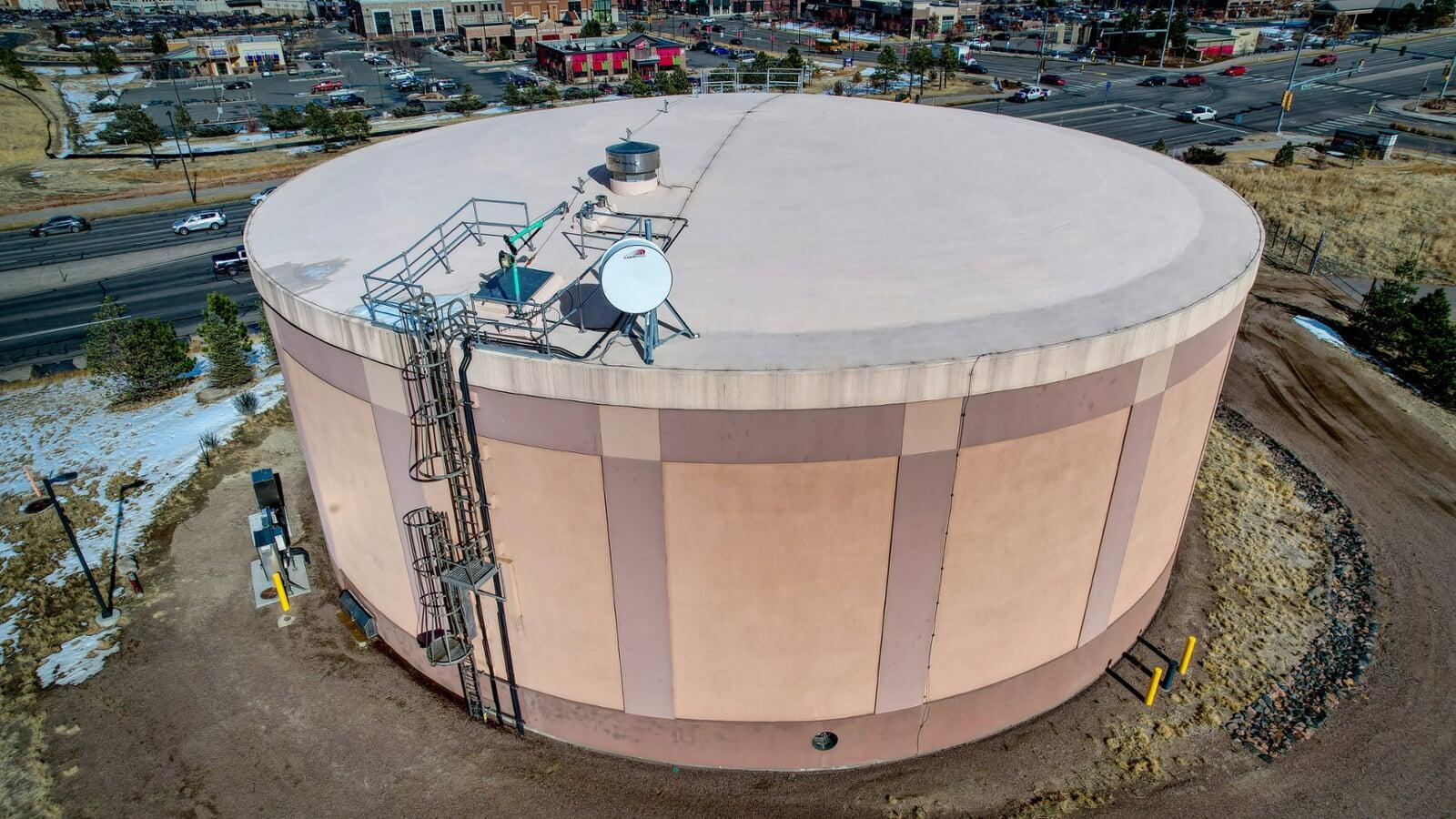
Base foundation
A stable base prevents movement, cracks, and uneven settling. base foundation options typically depend on space, soil, and tank size.
Practical guidance:
alternatively a concrete slab is common for many homes
at least 100mm wider than the tank footprint is a typical rule of thumb
least 100mm wider than can help with stability and edge support
100mm wider than the tank base is often used as a simple reference point
You can edit text on your website by double clicking on a text box on your website. Alternatively, when you select a text box a settings menu will appear. your website by double clicking on a text box on your website. Alternatively, when you select a text box
Checklist item | Why it matters | What to look for | Common mistake | Best practice example | Who should do it |
|---|---|---|---|---|---|
Tank location | Access + safety | Level ground, service access | Hidden behind walls | Accessible with clear service space | Installer |
Base prep | Prevent movement | Stable, level base | Uneven pavers | Slab or engineered base | Installer |
Fill control | Prevent overflow | feed to float valve | Incorrect float height | float valve at the top of the tank | Installer |
Isolation valves | Easy maintenance | to isolate components and sections | No isolation points | Separate shut-offs for tank/pump | Installer |
Backflow prevention | Protect municipal | backflow-safe layout | Pump pushes into municipal | Valve layout prevents reverse flow | Installer |
Pipe sizing | Maintain pressure | Line matches pump demand | Undersized line | Sized for distance and flow | Installer |
Hygiene plan | Keep water usable | Rotation + inspection | Never rotating water | to rotate the water monthly | Homeowner + service |
System testing | Reliability | Test changeover | Only testing once | Routine test schedule | Service provider |
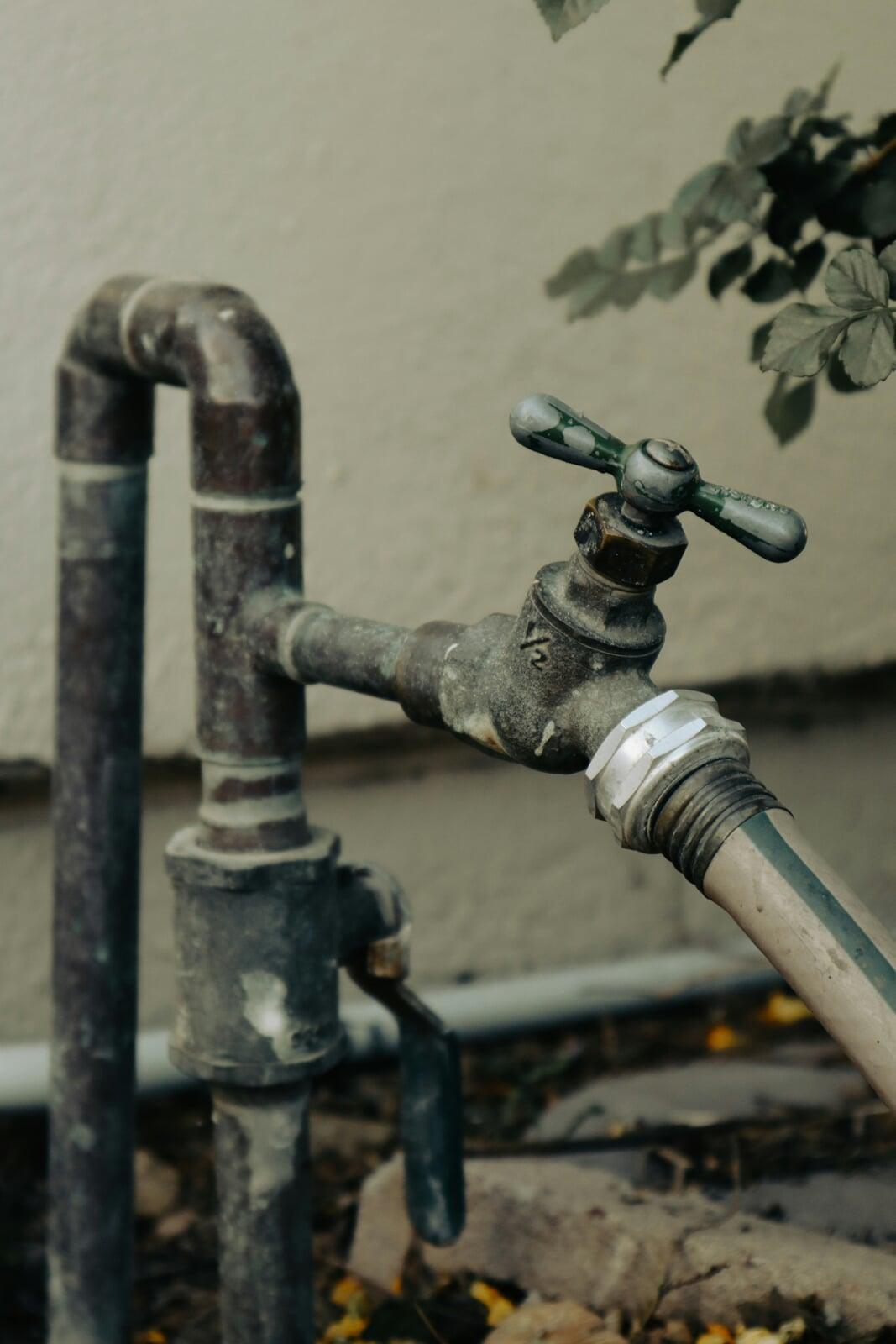
FAQ
How much water backup do I need?
Start with people on site and essential usage. A simple baseline is 50–100 litres per person per day for essentials, then adjust for showers, laundry, and office demand. Your required litres depends on outage frequency and the uses you want to keep running. Use this sizing guide: https://www.getsolvd.com/blogs/post/essential-guide-to-choosing-the-best-backup-water-tank-for-your-home
How does a water backup system work?
A tank stores water and a pump delivers pressure when municipal pressure drops. With correct valves and layout, the pump draws from the tank and supplies the property without pushing pressure back into the municipal line. The tie-in point and valve layout are the biggest reliability factors.
How long will 5000 litres of water last?
It varies by household size and how strictly you manage usage during outages. If you limit use to essentials, it can last several days for a small family; with heavier use (baths, laundry, garden), it may last less. Estimate litres per person per day × people on site, then match to outage duration.
What are the three types of water supply systems?
In simple terms, you’ll see (1) direct municipal supply, (2) stored supply (tank-fed), and (3) pumped/pressurised supply. Many Gauteng homes use a combined approach: municipal fills storage when available, and a pump supplies the home during outages.
How long can you keep water in a JoJo tank?
Stored municipal water should be rotated and tanks should be kept clean. Refresh stored water periodically, especially if it sits unused, and keep the tank sealed and screened from debris.
How to connect JoJo tank to main water supply South Africa?
A typical approach uses a controlled municipal fill line into the tank, then a pump line from the tank to your property’s plumbing. The key is correct valving and a safe tie-in to prevent pushing pump pressure back into the municipal line. If you want reliability without guesswork, an installer-led rental solution reduces risk.
What is JoJo water backup system?
It generally refers to a JoJo-style storage tank used as a backup source when municipal water is interrupted. When combined with a pump and correct connectors, it supports household supply during outages and can be paired with filtration if you want drinking-quality water from stored supply.
Next steps (and the fastest way to get the right setup)
If you want a system that works reliably during outages—and stays reliable—focus on correct layout, safe valving, and ongoing maintenance. That’s also why rental often beats ownership: you get a complete, maintained solution rather than a once-off install you have to manage alone.
For more information refer to: https://www.getsolvd.com/get-quote-backup-water-solutions
More information refer to: https://www.getsolvd.com/solutions
information refer to our service overview: https://www.getsolvd.com/what-we-do